
Jeep Wrangler: Manual Climate Control Descriptions And Functions / Recirculation Button
 Push the recirculation button on
the
faceplate to change the system
between recirculation mode and
outside air mode. The Recirculation
indicator and the A/C indicator (if equipped)
illuminate when the Recirculation button is pressed. Recirculation can be used
when
outside conditions such as smoke, odors, dust,
or high humidity are present. Recirculation can
be used in all modes except for Defrost.
Recirculation may be unavailable if conditions
exist that could create fogging on the inside of
the windshield. The A/C can be deselected
manually without disturbing the mode control
selection. Continuous use of the Recirculation
mode may make the inside air stuffy and
window fogging may occur. Extended use of this
mode is not recommended.
Push the recirculation button on
the
faceplate to change the system
between recirculation mode and
outside air mode. The Recirculation
indicator and the A/C indicator (if equipped)
illuminate when the Recirculation button is pressed. Recirculation can be used
when
outside conditions such as smoke, odors, dust,
or high humidity are present. Recirculation can
be used in all modes except for Defrost.
Recirculation may be unavailable if conditions
exist that could create fogging on the inside of
the windshield. The A/C can be deselected
manually without disturbing the mode control
selection. Continuous use of the Recirculation
mode may make the inside air stuffy and
window fogging may occur. Extended use of this
mode is not recommended.
On systems with Manual Climate Controls (if equipped), the Recirculation mode is not allowed in Defrost mode to improve window clearing operation. Recirculation is disabled automatically if this mode is selected. Attempting to use Recirculation while in this mode causes the LED in the control button to blink and then turns off.
 A/C Button
Push the A/C button to engage
the Air
Conditioning (A/C). The A/C indicator
illuminates when A/C is on.
NOTE:
For Manual Climate Controls, if the system is
in Mix, Floor or Defrost Mode, the A/C can be
turned off, but the A/C system shall remain
active to prevent fogging of the windows...
 Front Defrost Setting
Turn the Mode Control knob to
the
Front Defrost mode setting. Air comes
from the windshield and side window
demist outlets. When the Defrost
button is selected, the blower level may
increase...
Other information:
Jeep Wrangler 2018-2026 Owners Manual: Draining Fuel/Water Separator Filter — Diesel Engine
The fuel/water separator housing is located inside the left frame rail in front of the fuel tank. The best access to this water drain valve is from under the vehicle. CAUTION! Do not drain the fuel/water separator filter when the engine is running...
Jeep Wrangler 2018-2026 Owners Manual: FCW Braking Status And Sensitivity
The FCW Sensitivity and Active Braking status are programmable through the Uconnect system. Far When the sensitivity of FCW is set to the “Far” setting and the system status is “Only Warning”, this allows the system to warn the driver of a possible more distant collision with the vehicle in front using audible/visual warnings...
Categories
- Manuals Home
- Jeep Wrangler Owners Manual
- Jeep Wrangler Service Manual
- Manual Seat Height Adjustment
- UCONNECT SETTINGS
- Jack Location
- New on site
- Most important about car
Manual Front Seat Forward/Rearward Adjustment
The seat can be adjusted forward or rearward by using a bar located by the front of the seat cushion, near the floor. While sitting in the seat, lift up on the bar located under the seat cushion and move the seat forward or rearward. Release the bar once you have reached the desired position. Then, using body pressure, move forward and rearward on the seat to be sure that the seat adjusters have latched.
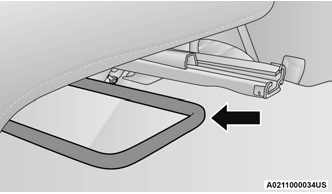
Adjustment Bar Location
