
Jeep Wrangler 2018-2026 Owners Manual / TECHNICAL SPECIFICATIONS / FLUID CAPACITIES
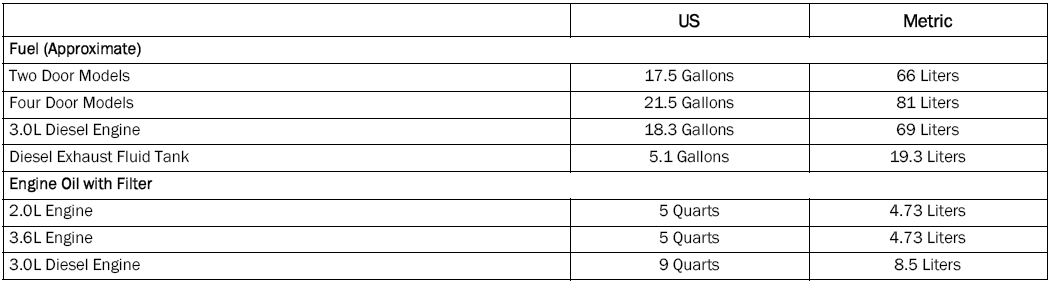
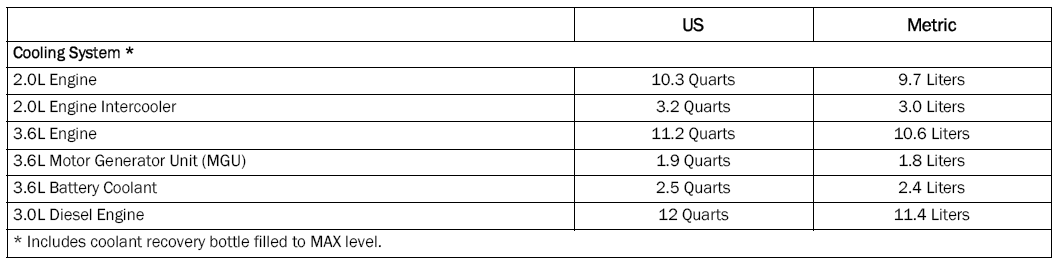
Jeep Wrangler: TECHNICAL SPECIFICATIONS / FLUID CAPACITIES
 Biodiesel Fuel Requirements
A maximum blend of 5% biodiesel meeting
ASTM specification D975 is recommended for
use with your diesel engine. If frequent
operation with Biodiesel blends that are
between 6% and 20% (B6–B20) is desired, the
maintenance schedule is subject to shorter
intervals...
 ENGINE FLUIDS AND LUBRICANTS
CAUTION!
Mixing of engine coolant (antifreeze) other
than specified Organic Additive Technology
(OAT) engine coolant (antifreeze), may
result in engine damage and may decrease
corrosion protection...
Other information:
Jeep Wrangler 2018-2026 Owners Manual: Phone Mode
Overview Uconnect Phone is a voice-activated, hands-free, in-vehicle communications system. It allows you to dial a phone number with your mobile phone. The feature supports the following: Voice Activated Features Hands-Free dialing via Voice (“Call John Smith Mobile” or “Dial 248-555-1212”)...
Jeep Wrangler 2018-2026 Owners Manual: Shifting Out of (N) Neutral
Use the following procedure to prepare your vehicle for normal usage. Bring the vehicle to a complete stop, leaving it connected to the tow vehicle. Firmly apply the parking brake. Start the engine. Press and hold the brake pedal. Shift the transmission into NEUTRAL...
Categories
- Manuals Home
- Jeep Wrangler Owners Manual
- Jeep Wrangler Service Manual
- SiriusXM® Satellite Radio Mode — If Equipped
- How To Use Remote Start
- WARNING LIGHTS AND MESSAGES
- New on site
- Most important about car
Basic Voice Commands
The basic Voice Commands below can be given at any point while using your Uconnect system. Push the VR button on the steering wheel. After the beep, say:
“Cancel” to stop a current voice session. “Help” to hear a list of suggested Voice Commands. “Repeat” to listen to the system prompts again.
Copyright © 2026 www.jewrangler.com